Rabbits and foxes · Agriculture Victoria, City of Casey
Rabbits, foxes and a landowner’s duty
In Victoria, wild rabbits and foxes are declared established pest animals under the Catchment and Land Protection Act 1994, and every land owner must take all reasonable steps to prevent their spread and, as far as possible, eradicate them on their land. A land owner who does not can be served a Directions Notice or a Land Management Notice, and not complying with one is an offence.
A guide published by Dotto from Agriculture Victoria and City of Casey pages. General information, not legal advice. Agriculture Victoria administers the Act; its pages are the authority.
Four kinds of declared pest animal
The Act sorts declared pest animals into four categories, by the threat they pose and their potential to establish in the wild. It is an offence to import, keep, sell or release any pest animal in Victoria without a valid permit.
| Category | Some of Agriculture Victoria’s examples | Who must control it |
|---|---|---|
| Prohibited | Raccoons, stoats and weasels, house crows | The Victorian Government, on all land |
| Controlled | Elephants, meerkats, cane toads; kept only in high-security collections such as zoos | The Victorian Government, on all land |
| Regulated | American bison, water buffalo, Canada geese; kept only in approved collections or premises | The Victorian Government, on all land |
| Established | Foxes, rabbits and hares, feral or wild pigs and goats | Each land owner, on their own land |
The duty in section 20
Agriculture Victoria explains that every owner and occupier of land, public or private, has to manage established pest animals and noxious weeds on that land, under the Act and any local laws, and that the duty in section 20 reaches the Crown, public authorities and licensees of Crown land too. Section 20(1) of the Catchment and Land Protection Act 1994 requires a land owner, in relation to their land, to take all reasonable steps to do six things, in this order:
- (a) avoid causing, or adding to, land degradation that damages or may damage another owner’s land;
- (b) conserve soil;
- (c) protect water resources;
- (d) eradicate regionally prohibited weeds;
- (e) prevent regionally controlled weeds from growing and spreading;
- (f) in the Act’s words, “prevent the spread of, and as far as possible eradicate, established pest animals”.
How it is enforced
- A noticeIf a land owner does not comply with section 20, the government can serve a Directions Notice or a Land Management Notice setting out measures to control or eradicate the pest.
- Prescribed measures for rabbitsThe Catchment and Land Protection Regulations 2012 name two measures for European rabbits: ripping the warren, and sealing all its entrances.
- An offenceNot complying with a notice is an offence, and penalties under the Act may follow.
- On saleThe Sale of Land Act 1962 requires a vendor to give the buyer a statement of existing conditions on the land, such as a Land Management Notice.
Who does what in Casey
- Agriculture Victoria
- Oversees and enforces rabbit control under the Act.
- The City of Casey
- Controls rabbits on land the council owns and manages, using warren fumigation, rabbit-proof fencing, warren destruction and removal of harbour. Until its municipal-wide Pest Animal Management Strategy is finished, expected in 2026–27, an interim plan directs the work to rabbit hotspots and areas with significant environmental or infrastructure impacts. The council says it cannot respond to every rabbit issue and gives lower priority to nuisance such as small-scale digging in nature strips.
- Where the council is working
- In February 2026 the council said its targeted rabbit program would continue in Botanic Ridge, Pearcedale, Tooradin North and Tooradin South, chosen for the best chance of large-scale control on public land. The same announcement named rabbits, foxes, feral cats and invasive birds as examples of the priority species the strategy will cover.
- Every land owner
- Section 20 of the Act says a land owner “must take all reasonable steps to … prevent the spread of, and as far as possible eradicate, established pest animals”, in relation to his or her land.
The rabbit year and the fox year
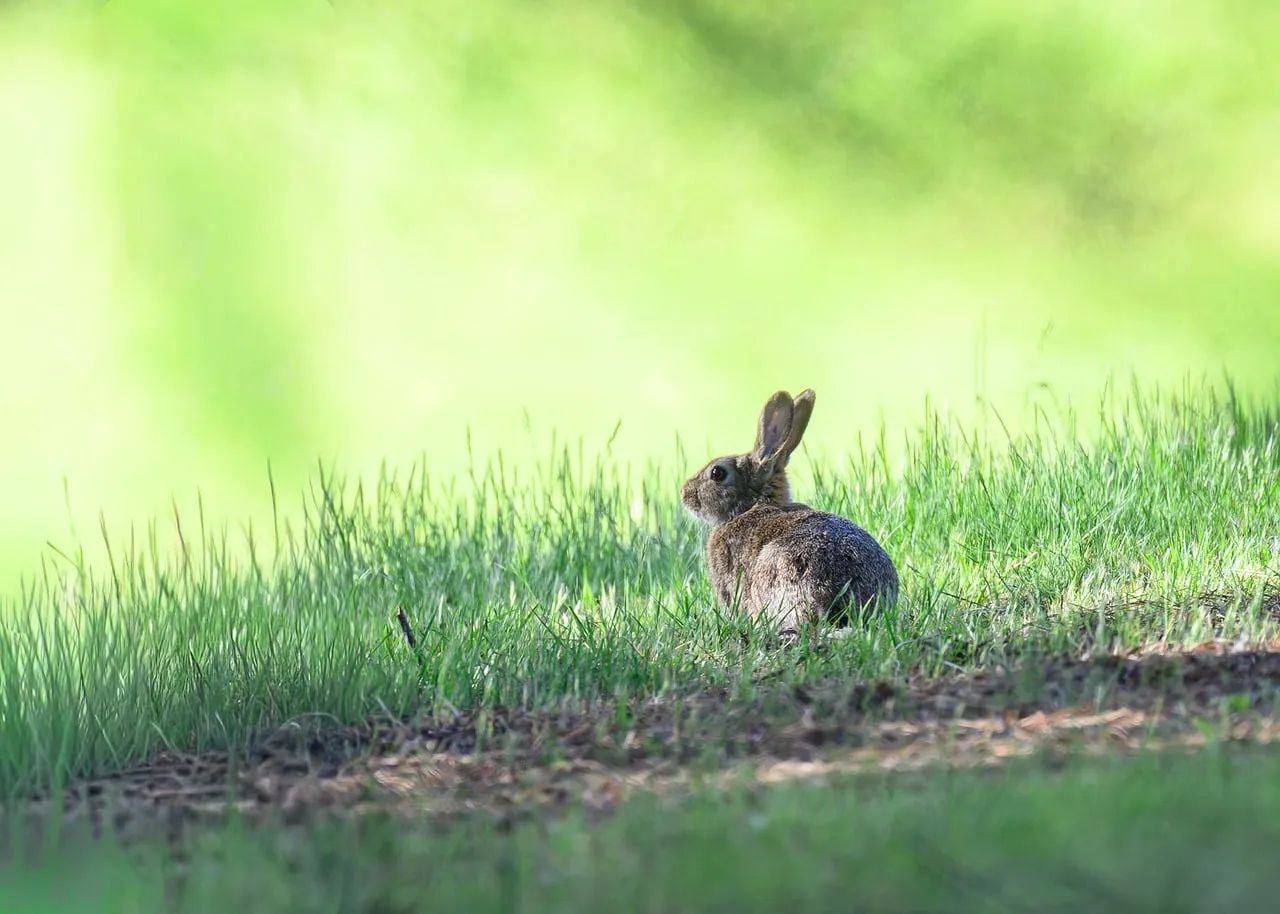
Rabbits. In Victoria most breeding begins with the autumn break and carries on until the green growth dries off in early summer; a single pair can increase to 184 rabbits within 18 months. The warren is the key to their success: Agriculture Victoria says destroying warrens is the key to long-term control, that control is most cost-effective in late summer and early autumn when breeding has generally paused, and that neighbours working together get better results than single properties. Signs it lists: 45-degree cuts on seedlings, dung, warren and burrow entrances, grazing lines, scratching and ring-barking.
Foxes. Foxes breed once a year, starting around June and July, and cubs are typically born between August and September. Signs include tracks, scats, dens, and carcasses or bite marks. Agriculture Victoria notes that fox densities are often higher in urban areas than rural ones, and cites research putting Melbourne’s at as many as 16 foxes per square kilometre.
Other laws that come with control
Agriculture Victoria lists several laws that sit beside the Act. Among them:
- Chemicals. Using chemicals against rabbits means meeting the Agricultural and Veterinary Chemicals (Control of Use) Act 1992 and its regulations: following the label, keeping chemical use records, and using restricted chemicals only with an Agricultural Chemical User Permit or other relevant permit.
- Poison baits. The Prevention of Cruelty to Animals Act 1986 makes it an offence to lay a poison bait for an animal except in line with the Catchment and Land Protection Act, the Wildlife Act 1975, or the Drugs, Poisons and Controlled Substances Act 1982.
- Aboriginal heritage. The Aboriginal Heritage Act 2006 limits control work in areas of cultural heritage sensitivity, which matters most for work that disturbs the soil, such as ripping warrens deeper than 60 centimetres.
- Native animals and plants. Native wildlife may also be using rabbit harbour. Before work that may disturb native vegetation, culturally significant areas or waterways, the department says to contact the responsible authorities, which may include the council, Victoria’s Department of Energy, Environment and Climate Action, either Aboriginal Affairs Victoria or the area’s Registered Aboriginal Party, and the Catchment Management Authority for the area.
A pest control business using pesticides against pest animals around homes or commercial buildings needs a Victorian pest control licence carrying the pest animal authorisation. How the licence works.